When to List Your Home
Timing significantly impacts sale price and marketing timeline. Understanding seasonal market dynamics and personal circumstances helps optimize listing decision.
Seasonal Patterns: South Florida real estate follows distinct seasonal cycles. Winter season (December-March) attracts peak buyer activity from Northern snowbirds and international purchasers seeking year-round warm weather. Supply is typically higher but demand equally elevated, creating competitive marketing environment.
Spring (April-May) represents transition period with moderating activity as Northern buyers return home. Summer (June-August) shows slowest activity, with reduced Northern buyer participation and seasonal closures/vacations limiting market momentum. Early fall (September-October) shows gradual activity increase as seasonal buyers begin repositioning ahead of winter influx.
Optimal Listing Window: For maximum exposure and price optimization, list properties between mid-November and early March. Winter season commands premium pricing (6-8% above summer equivalent) and faster sales. January-February represents absolute peak activity with lowest inventory-to-demand ratio.
Price Trade-off: Listing during off-season (summer/fall) often results in lower sale prices but reduced competition from other seller inventory. If you require rapid sale, off-season listing may facilitate faster closing without price concessions (lower inventory often outweighs seasonal buyer reduction).
Personal Circumstances Override Seasonality: Job relocation, financial requirements, or family situations may necessitate sale timing independent of seasonal optimization. A well-prepared, properly marketed home sells faster and commands competitive pricing in any season. Professional staging and aggressive marketing can overcome seasonal headwinds.
Pricing Strategy: Competitive Market Analysis
Strategic pricing is foundational to successful sale. Overpriced homes sit on market; underpriced homes sacrifice significant proceeds. Proper market analysis drives optimal pricing.
Comparable Market Analysis (CMA): Professional agents conduct CMA comparing your property to recent sales (within 90 days), active listings, and expired listings (properties that didn't sell). CMA analyzes price per square foot, days on market, price concessions, and buyer profiles.
Luxury properties resist direct comparison, as each property has distinct characteristics (waterfront vs. inland, architecture, age, renovations, lot size). Agent adjusts comparable sales for differences: oceanfront premium typically +35-50%, recently renovated +10-15%, golf course location +8-12%.
Pricing Formula: Optimal list price typically 1-2% above anticipated market value. This positioning captures maximum buyer psychology (below round number thresholds) while maintaining negotiation flexibility. A $4M property listed $3,985,000 psychologically positions below $4M threshold while capturing majority of $4M market.
Avoid Common Pricing Mistakes: Don't price based on purchase price paid or desired sale price (anchoring to personal objectives rather than market realities). Don't price above comparable sales without justified differentiation. Properties priced >10% above comparables typically languish on market or require substantial concessions to sell.
Price Adjustment Strategy: If property doesn't sell within 30 days, market is signaling overpricing. Reduce price 2-3% to reset buyer perception and generate fresh activity. Properties receiving multiple showings but no offers almost always indicate overpricing. A price reduction stimulates offer activity more effectively than additional marketing.
Preparing Your Home: Staging, Photography, Presentation
First impressions drive buyer behavior. Professional staging, photography, and presentation maximize perceived value and buyer attraction.
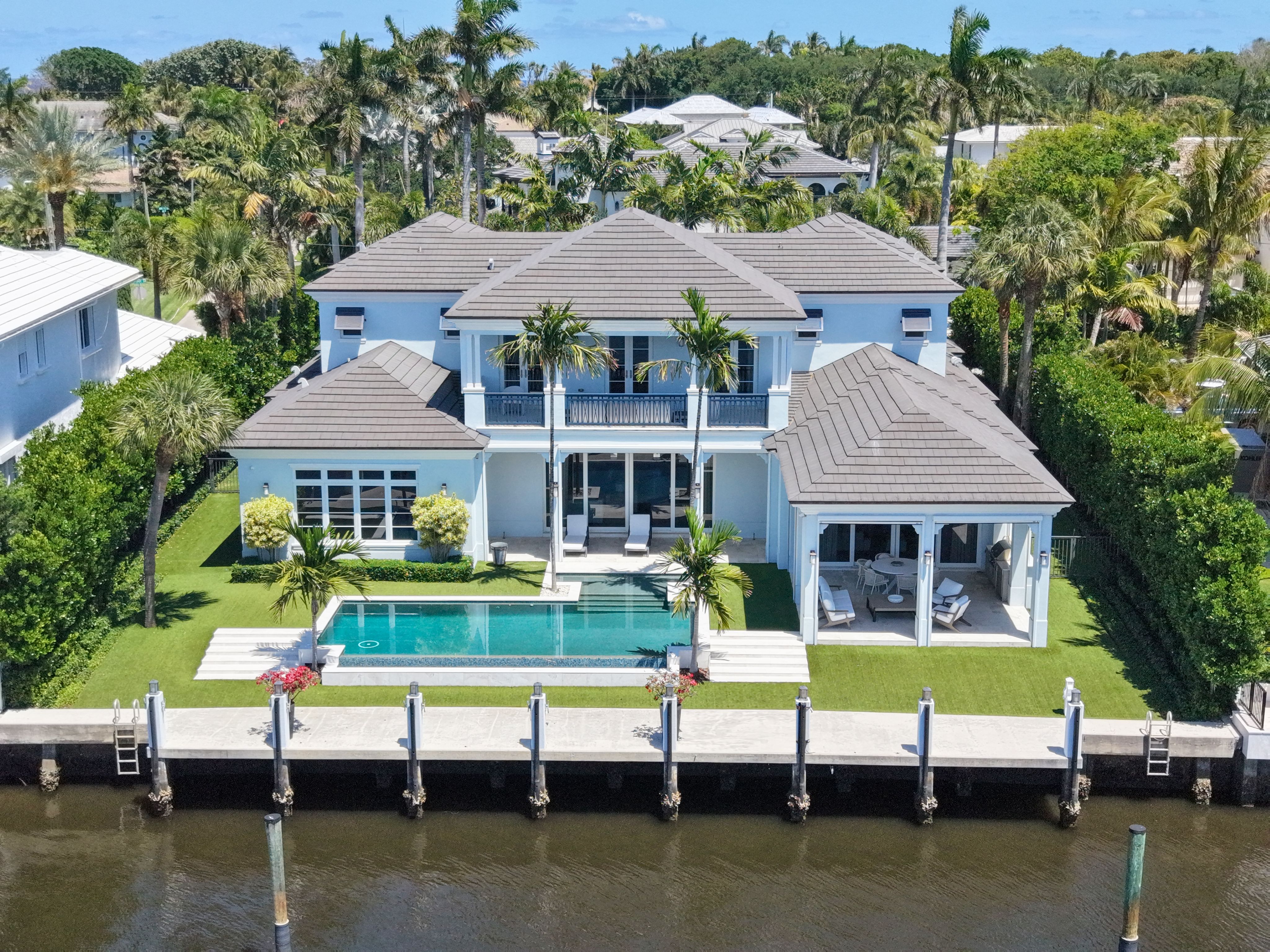
The Marketing Plan: What Top Agents Do
Comprehensive marketing is essential to reach all potential buyers. Top agents deploy multi-channel strategy across digital, direct, and broker channels.
Showings, Open Houses & Offer Management
Effective showing process and offer management strategy significantly impact sales price and closing timeline.
Showing Strategy: Coordinate showings through single agent (agent for seller) rather than allowing uncoordinated buyer access. Single-agent approach protects security, controls showing environment, and captures buyer feedback. Schedule showings with 24-hour minimum notice to maintain property presentation quality.
Showing Logistics: Ensure home vacant during showings (seller not present). Open all curtains/blinds for natural light. Set ambient temperature comfortable (72°F typical). Play soft background music. Ensure parking is easily accessible. Remove pets from home during showings (allergies and distractions reduce buyer focus).
Open Houses: Hold open houses during peak viewing times (Saturday/Sunday afternoons). Limited effectiveness for luxury properties (security concerns, serious buyer preference for private showings) but useful for generating neighborhood awareness and social media content.
Negotiation & Closing Procedures
Effective negotiation balances maximizing proceeds with market realities and closing certainty. Understanding buyer leverage points facilitates strategic concessions.
Offer Evaluation: Evaluate offers on multiple factors: purchase price, earnest money amount, financing contingency strength, inspection period length, and timeline. A slightly lower all-cash offer often superior to higher conventional financing offer (reduced closing risk). Offer with short inspection period (7-10 days) signals confident buyer; long inspection period (20+ days) suggests contingency risk.
Counteroffering Strategy: Use counteroffers strategically. Don't accept first offer immediately (signals overpricing or undervalued asset). Counteroffer to demonstrate property value while signaling openness to negotiation. Counter with minor price adjustment and clarification of buyer requirements (inspection timeline, closing date flexibility).
Concession Priorities: If multiple offers received, negotiate most attractive offer harder before dismissing others. Concessions on appraisal gaps (agreeing to credit difference if property appraises lower) and inspection/repair credits preserve net proceeds better than price reductions.
Appraisal Risk: Luxury properties occasionally appraise below purchase price due to limited comparable sales or valuation methodology inconsistencies. Negotiate appraisal-gap provision limiting your responsibility for shortfall. Standard terms: buyer responsible for first 2% gap, seller and buyer split above 2%. This protects against low appraisals from luxury property valuation complexity.
Tax Implications of Selling
Capital gains tax, exclusion eligibility, and cost-basis documentation significantly impact net proceeds from home sale. Understanding tax implications prevents unexpected liability.
Capital Gains Exclusion: If you owned and occupied property as primary residence for 2 of past 5 years, you qualify for capital gains exclusion: $250,000 individual filer, $500,000 married filing jointly. This exclusion applies to federal tax only; Florida has no state income tax so provides full benefit.
Example: Married couple purchased home $2.5M, sells $4.1M. Capital gain = $1.6M. Less $500K exclusion = $1.1M taxable gain. At 20% federal long-term capital gains rate = $220K federal tax. Without the exclusion, tax would be $320K, so the exclusion saves $100K in taxes.
Cost Basis Documentation: Maintain records of original purchase price, significant capital improvements (renovations, additions, systems), and documented closing costs. Cost basis is original price plus improvements; repairs and maintenance don't increase basis. Property sold for less than basis triggers no tax; basis exceeding sale price creates no deduction.
1031 Exchange Consideration: If purchasing replacement property within 180 days of sale, you may qualify for 1031 tax-deferred exchange (defers capital gains tax, not eliminates it). Requires strict timeline adherence and qualified intermediary. Consult tax professional if 1031 may be applicable.
Tax Professional Consultation: Engage CPA well before closing to plan tax implications. CPAs often identify cost-basis documentation issues or timing strategies that reduce tax burden. CPA fees ($2,000-$5,000) typically pay for themselves through optimization recommendations.
Cindy's Selling Approach
My approach to selling luxury South Florida homes combines strategic market analysis, comprehensive preparation, and client-focused negotiation to maximize both price and peace of mind.
Honest Market Assessment: I provide candid analysis of market conditions, realistic pricing guidance, and clear explanation of market challenges if property faces headwinds. Overpricing creates false hope and wasted marketing expense; honest pricing positions property to sell efficiently at maximum achievable price.
Comprehensive Preparation: Before listing, I work with clients to evaluate staging, repairs, and presentation priorities. Minor cosmetic improvements and professional staging consistently return 5-8x their investment in increased sale price and reduced days on market. I coordinate contractors, designers, and staging professionals on client behalf.
Strategic Marketing Deployment: I deploy multi-channel marketing strategy tailored to property characteristics: luxury digital sites for high-value properties, international buyer networks for oceanfront estates, broker networks for niche markets. I maintain relationships with active buyers, investor groups, and international contacts that accelerate sales for aligned properties.
Aggressive Negotiation: I protect client interests through strategic negotiation, identifying and countering unreasonable buyer demands. I prioritize transaction certainty and clean closings over marginal price concessions. A $50K price reduction is preferable to extended negotiation timeline with uncertain closing.
Closing Support: I coordinate all closing logistics, ensure document accuracy, and facilitate clear communication between buyer's agent, title company, and lender. I anticipate closing challenges before they emerge and proactively resolve issues. My goal is closing that closes on time, with accurate documents and zero surprises.