Why Your Wallet Will
Thank You
Florida is one of only nine states with no personal state income tax. For high-income earners relocating from states like New York (up to 10.9%), California (up to 13.3%), or New Jersey (up to 10.75%), the savings can be substantial, often hundreds of thousands of dollars annually.
Beyond income tax, Florida also has no estate tax or inheritance tax. For high-net-worth individuals, this makes Florida one of the most tax-efficient states in the country for wealth preservation and generational transfer.
Homestead Exemption: Florida residents who make a property their primary residence can apply for a Homestead Exemption, which reduces the assessed value of your home by up to $50,000 for property tax purposes. It also caps annual increases in assessed value at 3% (the "Save Our Homes" cap), protecting you from dramatic tax jumps even in a hot market.
One important note: Florida does have a 6% state sales tax (plus county surtaxes that bring it to 7% in most South Florida counties). And while property taxes vary by county and municipality, they tend to be moderate compared to northeastern states, especially once the Homestead Exemption is applied.
Choosing the Right
Area
South Florida is not one market; it is a collection of very distinct communities, each with its own character, price points, and lifestyle. Choosing the right area is the single most important decision you'll make, and it goes far beyond just budget.
| If You Want... | Consider... | Starting From |
|---|---|---|
| Elite country clubs & golf | Boca Raton, Palm Beach Gardens, Jupiter | $800K+ |
| Oceanfront condo living | Sunny Isles, Hallandale Beach, Highland Beach | $500K+ |
| Vibrant downtown walkability | Delray Beach, Brickell, Coconut Grove | $600K+ |
| Ultra-private estate living | Palm Beach, Gulf Stream, Manalapan | $3M+ |
| Best schools for families | Parkland, Weston, Pinecrest, Boca Raton | $600K+ |
| Boating & waterfront access | Fort Lauderdale, Jupiter, Lighthouse Point | $1M+ |
| Value & space | Boynton Beach, Port Saint Lucie, Hollywood | $400K+ |
| Island exclusivity | Fisher Island, Key Biscayne, Star Island | $2M+ |
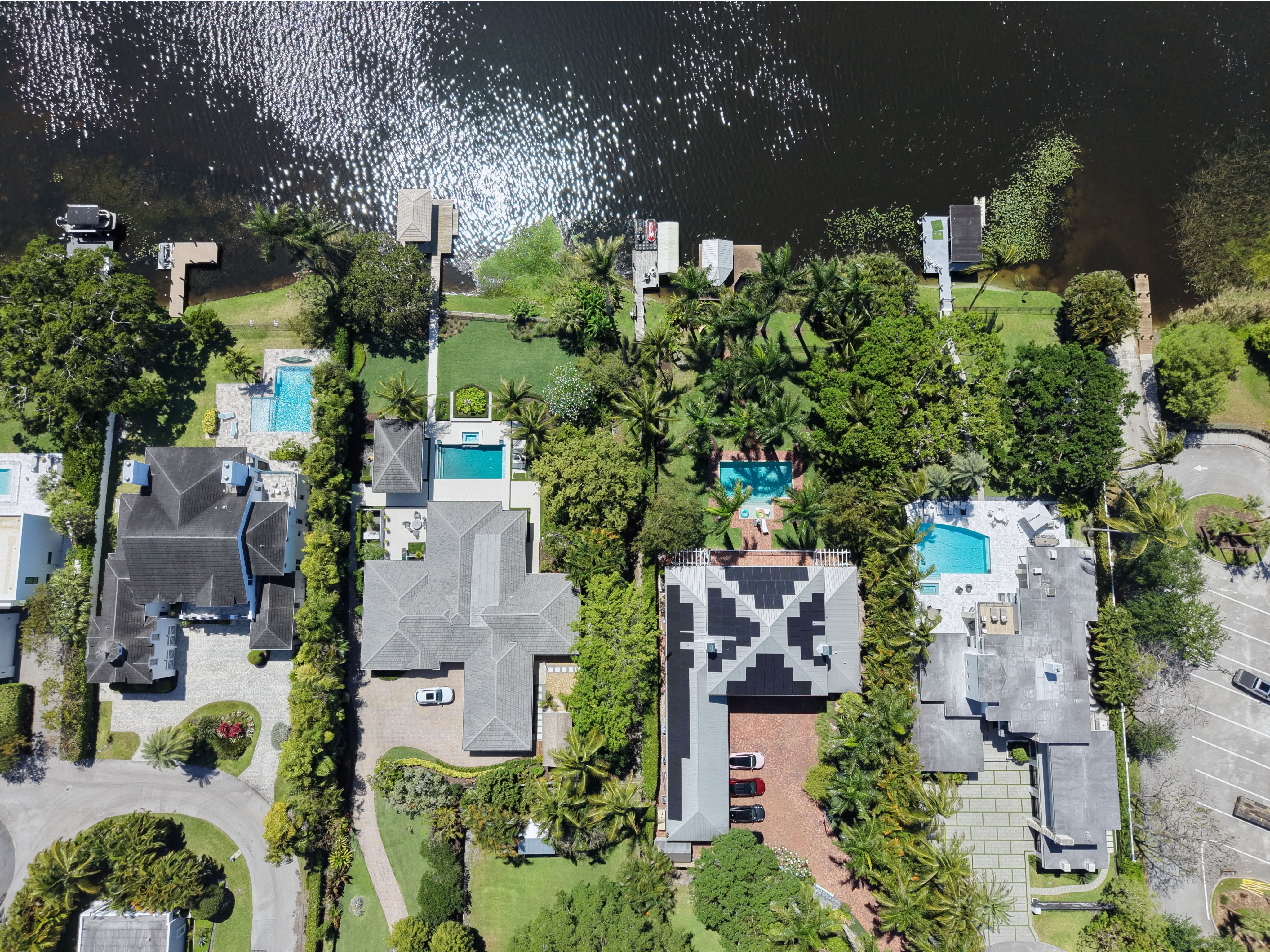
The best approach is to visit multiple areas before committing. Spend a weekend in Boca Raton, then drive up to Jupiter. Have dinner on Atlantic Avenue in Delray, then explore Las Olas in Fort Lauderdale. Each area has a distinct personality, and you won't know which one fits until you experience it firsthand.
Cindy's Tip: Many buyers fall in love with an area during a vacation but don't realize the seasonal dynamics. A neighborhood that buzzes in February can feel very different in August. Consider visiting during both peak season (January–April) and off-season (June–September) before making your decision.
Insurance &
Wind Mitigation
Homeowner's insurance in South Florida is significantly more expensive than most other parts of the country, and it's one of the most common surprises for relocating buyers. This is primarily due to hurricane risk, and it's critical to factor insurance costs into your budget from the very beginning.
Wind Mitigation Inspections are one of the best tools available. A certified inspector evaluates your home's hurricane-resistant features: roof shape, roof-to-wall connections, opening protection (impact windows/shutters), and roof covering age. Homes with modern impact windows, hip roofs, and newer roof connections can see premium reductions of 30–50%.
Flood Insurance is a separate policy and may be required if your property is in a FEMA-designated flood zone (common for waterfront and coastal properties). Flood insurance costs vary widely based on elevation, zone, and structure type. Newer construction in higher-elevation areas typically has the lowest flood premiums.
Citizens Property Insurance is Florida's state-backed insurer of last resort. If private insurers decline coverage or quote prohibitively high premiums, Citizens may be an option, though its coverage limits and pricing have their own considerations.
Before You Buy: Always get insurance quotes before closing on a property. Ask your agent to obtain quotes from at least three carriers, and factor in both wind/hurricane and flood premiums. A beautiful waterfront home can carry $20,000+ in annual insurance costs, and knowing this upfront prevents surprises.
Understanding the
Seasons
South Florida's seasons are different from what most northerners expect. There's no fall foliage or spring bloom; instead, the year divides into two distinct periods that affect everything from real estate prices to restaurant wait times.
Hurricane Season runs officially from June 1 through November 30, with the most active period being August through October. While major hurricanes are relatively rare for any specific location, they are a reality of living here. Modern construction (built after 2002) is designed to the Florida Building Code, which is among the strictest in the nation for wind resistance.
Most year-round residents will tell you that you adjust to the summer heat quickly; air conditioning is everywhere, pools are standard, and the lifestyle naturally shifts to early mornings and evenings during the hottest months.
Cost of
Living
South Florida's cost of living is above the national average, driven primarily by housing costs and insurance. However, for buyers relocating from New York, San Francisco, Los Angeles, or Boston, the overall cost of living is often comparable or lower, especially after accounting for the absence of state income tax.
| Expense | Typical Range | Notes |
|---|---|---|
| Property Taxes | 1.0% – 1.8% of assessed value | Varies by county; Homestead Exemption reduces this significantly |
| HOA / CDD Fees | $300 – $3,000+/month | Gated communities and luxury condos at the higher end; includes amenities |
| Homeowner's Insurance | $4,000 – $15,000+/year | Coastal properties and older homes trend higher |
| Flood Insurance | $500 – $5,000+/year | Required in FEMA flood zones; cost depends on elevation and zone |
| Electric (A/C) | $200 – $600/month | A/C runs year-round; larger homes at the higher end |
| Lawn / Pool Maintenance | $300 – $800/month | Tropical landscaping requires regular maintenance |
One often-overlooked cost: HOA and club membership fees in gated communities can be significant. An equity golf club membership might require a $50,000–$250,000 initiation fee plus $15,000–$40,000 in annual dues. Non-equity clubs and bundled communities have lower upfront costs but still carry meaningful monthly obligations.
Schools &
Education
South Florida offers a strong mix of public and private education options, and school quality varies significantly by area. For families, choosing the right neighborhood often starts with choosing the right school zone.
Florida also offers school choice programs, including magnet programs, charter schools, and the Florida Tax Credit Scholarship, which provides tuition assistance for qualifying families at private schools. The educational landscape is more flexible than many transplants expect.
The South Florida
Lifestyle
Living in South Florida is fundamentally different from visiting on vacation. The lifestyle revolves around the outdoors, with mornings on the water, afternoons by the pool, and evenings dining al fresco. The pace is simultaneously relaxed and energetic, with a social calendar that runs year-round.
Dining and Social Culture is a cornerstone of the lifestyle. South Florida's restaurant scene has exploded in recent years, with James Beard-nominated chefs, international cuisine, and waterfront dining at every price point. Many communities have their own dining and social hubs, like Atlantic Avenue in Delray, Mizner Park in Boca, Las Olas in Fort Lauderdale, and Coconut Grove's CocoWalk.
Outdoor Living is year-round. Golf, tennis, pickleball, boating, fishing, paddleboarding, cycling; the climate supports an active lifestyle that simply isn't possible in northern states for much of the year. Most luxury homes are designed around outdoor living, with covered lanais, summer kitchens, and pool areas that function as true extensions of the home.
Cultural Depth may surprise you. The Kravis Center in West Palm Beach, Broward Center in Fort Lauderdale, Adrienne Arsht Center in Miami, the Norton Museum, Perez Art Museum, and Art Basel Miami Beach all contribute to a cultural scene that goes far beyond beaches and golf.
Your Moving
Checklist
Whether you're six months away or six weeks away, here's what you need to have on your radar: